
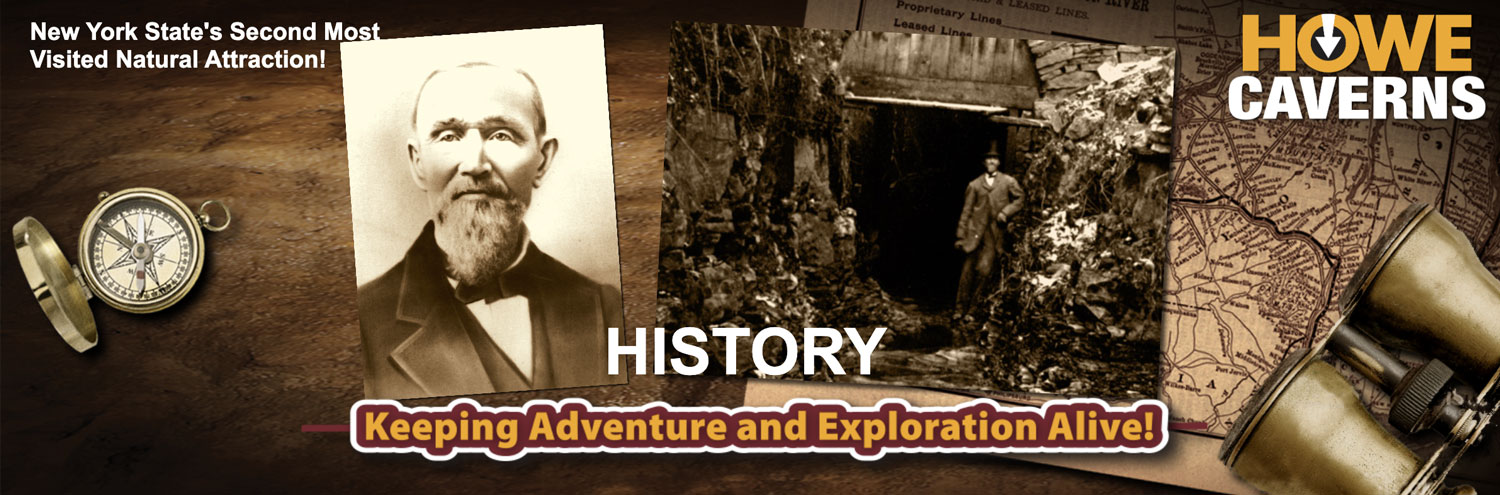
History
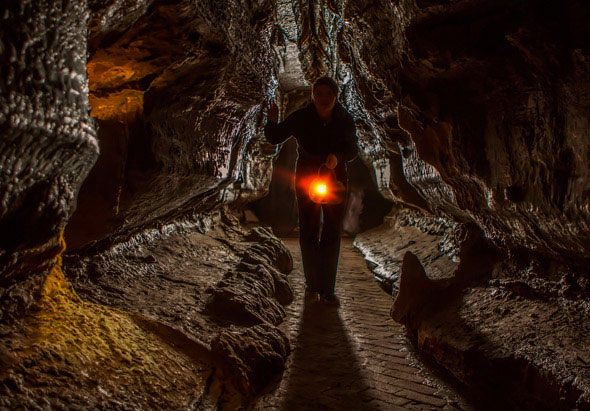
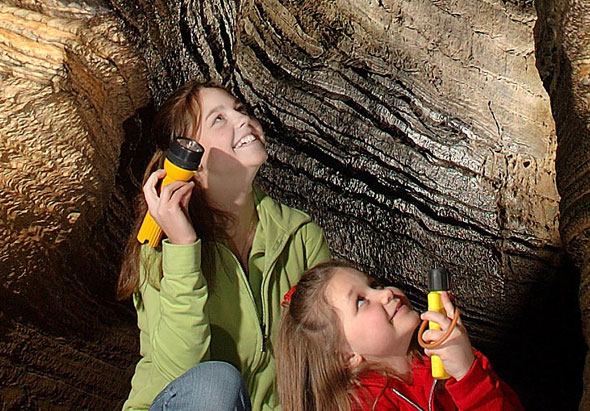
Sunday Family Flashlight Tour Package
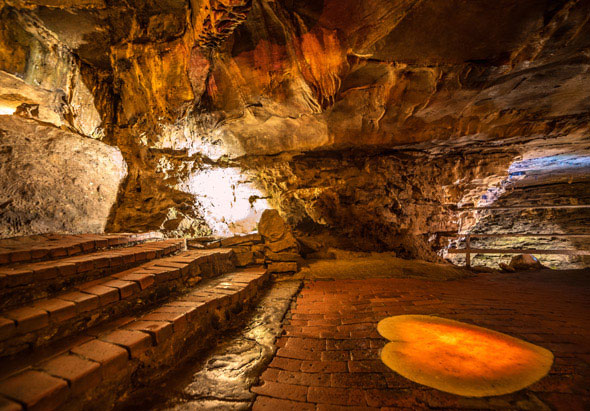
Fun for the whole family. Take on an exciting and educational adventure. Explore a living limestone cave, carved by an underground river over the course of millions of years. A variation of our Lantern Tour with flashlights and head lamps for the kid! This tour is geared toward the younger family members and will entertain and delight them while they are learning about the earth.
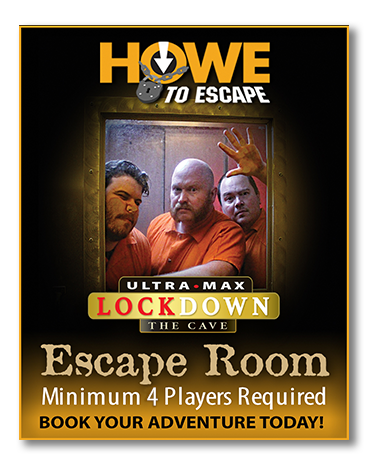
Get ready to experience the most immersive escape room in the Capital Region.
Do you think YOU know HOWE TO ESCAPE!?
The Ultra-Max penitentiary known as “The Cave” houses the most notorious criminal geniuses in the country. Built 15 stories underground, The Cave has the latest in cutting-edge escape deterrent technology deployed in the facility. Many infamous individuals have spent the waning years of their lives behind its triple-reinforced cell walls and state-of-the-art security systems. This distinguished clientele has resulted in multiple escape attempts, but none have been successful… until now! A motley crew of the criminal elite, led by maniacal mastermind, Stu “The Flu” Galopso, have done the impossible and breached the confines of their containment sector. Society’s most dangerous and unpredictable fugitives are now at large, and only YOU can stop them!
Escape Room By Reservation Only
All ticket sales are nonrefundable and may not be exchanged.
Please note that we do not respond to general inquiries, or handle motel and ticket reservations or group bookings via email or Facebook messenger.
Motel and ticket reservations can be made online at https://www.howecaverns.com.
Group bookings of 25 guests or more must be made by calling our reservation team at 518-296-8900, available Monday–Friday from 9:00 AM to 4:00 PM.
We look forward to welcoming you to Howe Caverns!
Right to Refuse Service: For the safety and enjoyment of all guests, we reserve the right to refuse service to anyone at our discretion. The includes, but is not limited to, individuals who exhibit disruptive, unsafe, disrespectful behavior, or appear to be under the influence of drugs or alcohol, or those who do not comply with the tour guidelines and staff instructions. Guests must be physically capable of completing the tour and must follow all posted rules and verbal directions. No refunds will be issued in cases where service was refused for any of the above reasons. Thank you for your understanding and cooperation.